


Please sign in first
Not a member?







Research Projects
GPS Project – Group for Healthy Parenting
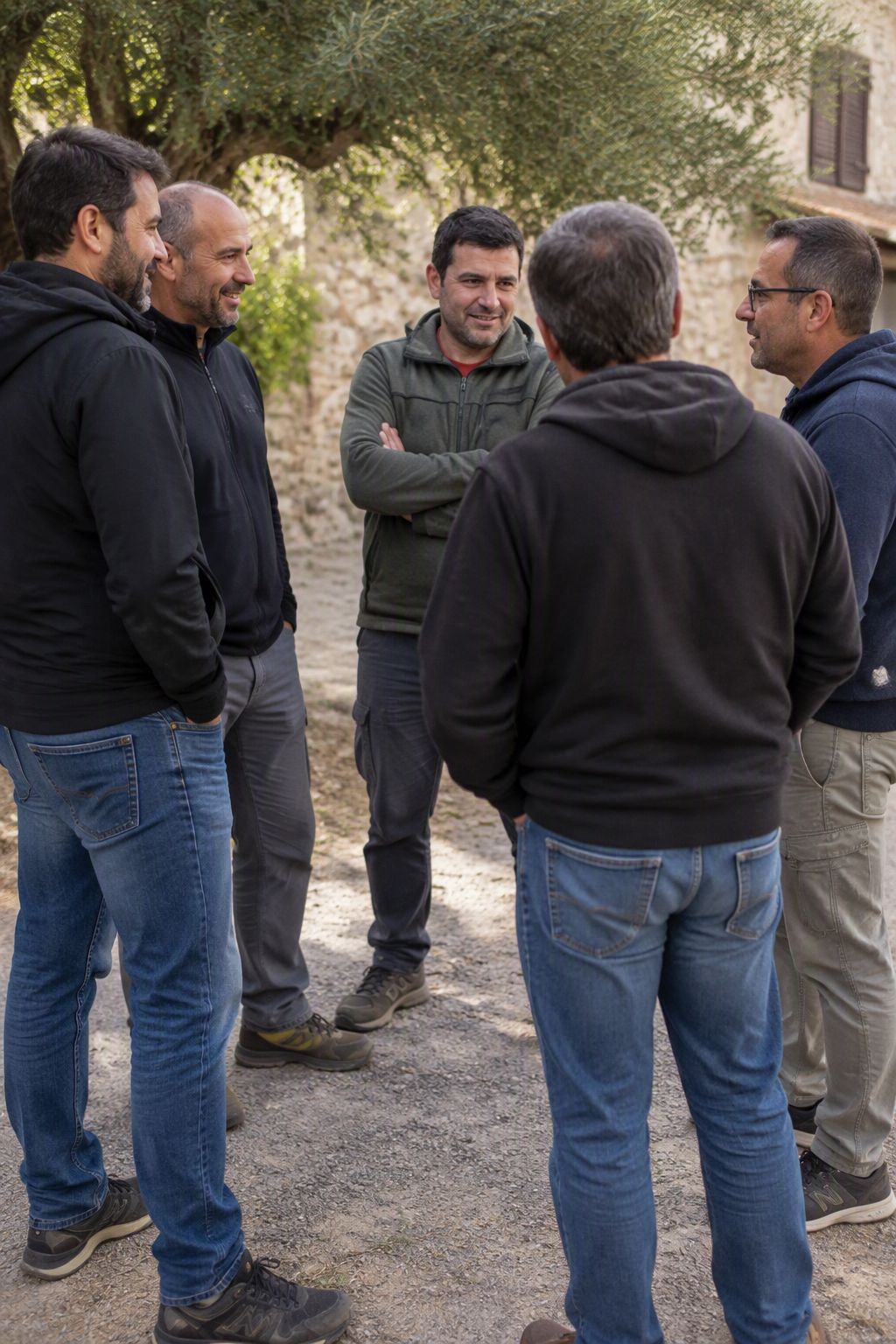
The GPS Project – Group for Healthy Parenting is a socio-educational intervention promoted by the Basic Social Services of the City Council of Granollers (Barcelona) and aimed at men and fathers with dependent minor children who are in situations of vulnerability or risk. The project seeks to promote positive, responsible, and shared parenting by strengthening parental capacities and helping to ensure the well-being and healthy development of children and adolescents.
The GPS Project is based on the need to provide men with a dedicated space for listening, guidance, reflection, and learning about the care and upbringing of their children. The programme encourages participants to examine beliefs and practices related to parenting, as well as family and gender roles. It also incorporates a transgenerational perspective that explores how experiences within the family of origin and family loyalties may influence parenting practices and the perpetuation of specific relational patterns.
The intervention is grounded in the systemic approach, Solution-Focused Therapy (SFT), and Ivan Boszormenyi-Nagy’s Contextual Therapy, incorporating concepts such as family loyalties, relational justice, and reciprocity. It also integrates the principles of positive parenting and socio-educational group intervention, viewing the group as a safe space for mutual support, shared learning, and the collaborative development of new parenting strategies.
The project is delivered through fortnightly group sessions lasting approximately 90 minutes, complemented by individual interviews and a follow-up session three months after the intervention has ended. The sessions address parenting through the dimensions of past, present, and future, combining reflection, group participation, and practical activities designed to transfer learning into the family context.
In parallel, the GPS Project includes a research component based on a mixed-methods approach, combining quantitative and qualitative methodologies to assess the changes achieved throughout the intervention. The study is expected to analyse the development of parenting skills, reflective capacity, relational dynamics, and the potential reduction of violent or neglectful behaviours.
Expected outcomes include improved parenting competencies and participant well-being, a reduction in risk factors, and the development of more positive, equitable, and co-responsible family relationships.
AI-generated image